
Hosted by
The Cold War Museum Inc
About this event
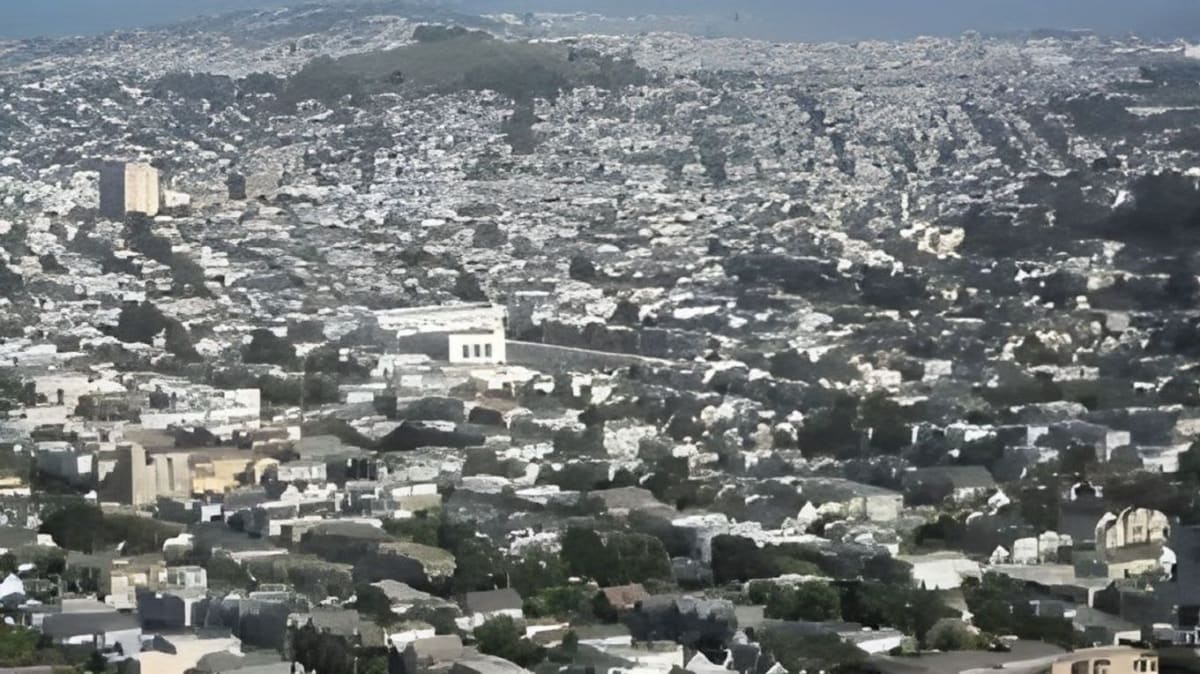
Suburban Sprawl: A Newly Recognized Cold War Artifact
Zoom
General Admission
$20
Tom Christoffel began work as a regional planner in Front Royal, Virginia, the Northern Shenandoah Valley, in 1974. The "Costs of Sprawl" was released in 1974. There was no change in what the market wanted: large lots outside Towns and Cities. "The Reduction of Urban Vulnerability: Revisiting 1950s American Suburbanization as Civil Defense," by Kathleen Tobin, in the UK Cold War Journal, revealed a missing history. Planners were not receptive to this information. After retirement in 2008, he became an Independent Researcher focusing on the need for regional communities as drive-to-qualify house-hunting kept lengthening commuting. In 2019 he began focusing on the sprawl challenge in presentations to the American Association of Geographers. After over two decades of research, he has concluded Low-Density Sprawl is an Unrecognized Cold War Artifact.
Add a donation for The Cold War Museum Inc
$
Did you know? We fundraise with Zeffy to ensure 100% of your purchase goes to our mission!